
Seafood That Arrives Fresh and Stays That Way
Seafood Dishes in Great Falls for diners seeking quality preparation in a landlocked region
Sourcing seafood properly in Montana requires relationships with suppliers who prioritize cold chain logistics, fast delivery schedules, and species selection that travels well—the difference between a flavorless, mushy fillet and one that tastes briny and firm comes down to hours, not days. River and Range Bistro addresses the challenge of serving premium seafood hundreds of miles from any coast by selecting species known for stability during transport, verifying freshness upon delivery, and applying cooking techniques that preserve moisture and flavor rather than masking poor quality with heavy sauces. Diners in Great Falls notice when seafood tastes clean and oceanic rather than fishy and flat, and that distinction begins before the kitchen ever touches the product.
The menu features seafood prepared with methods that suit each species—high-heat searing for fish with firm flesh, gentle poaching for delicate fillets, and precise timing that prevents overcooking. Seasonal menu development allows the restaurant to feature species at their peak availability, while chef-driven presentations balance classic preparations with creative accompaniments that complement rather than compete with the seafood's natural flavor.
Reserve your table to discover how careful sourcing and proper technique deliver seafood worth ordering inland.
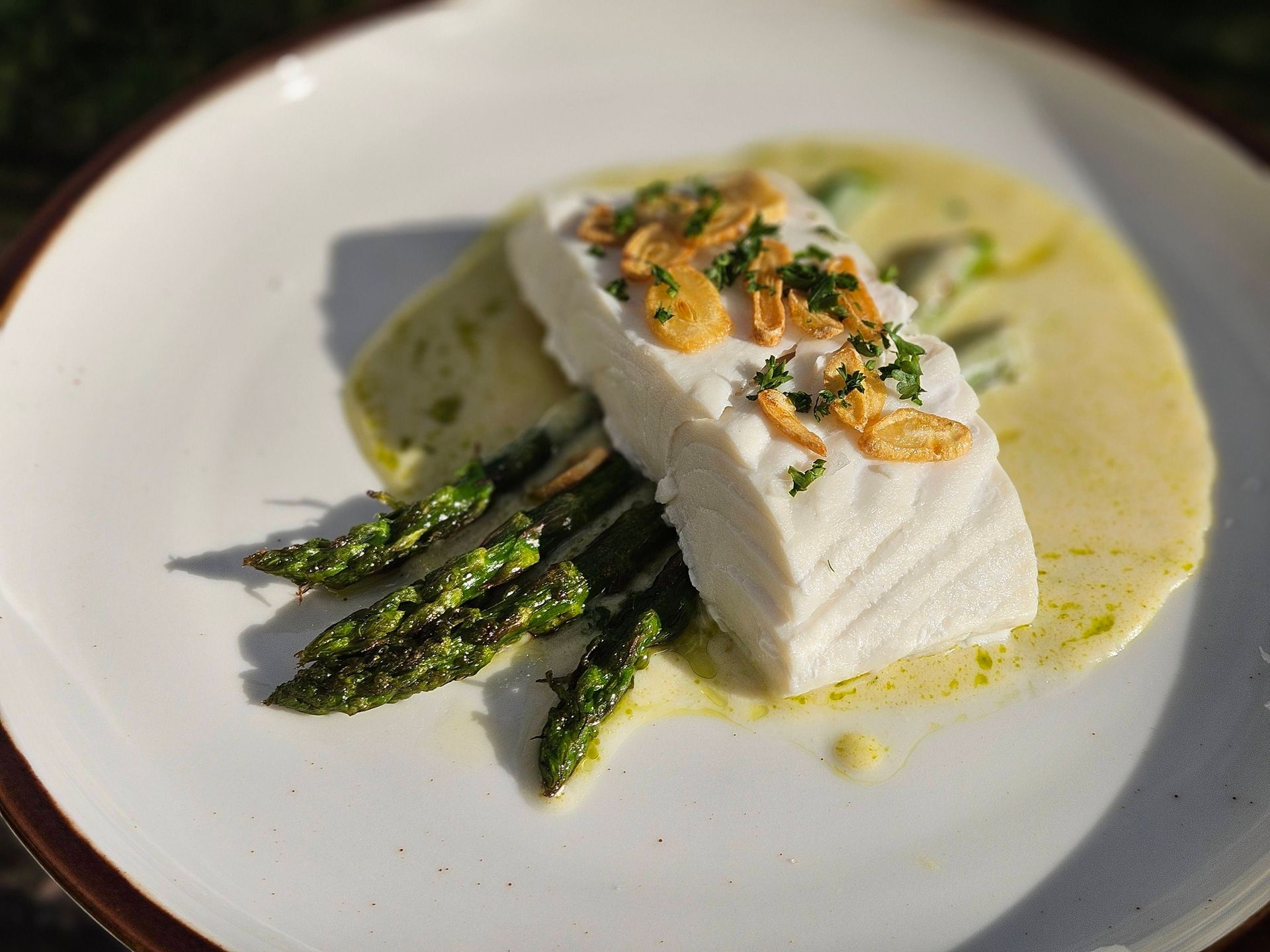
What Proper Seafood Preparation Requires
Quality seafood preparation starts with verifying that fish arrives cold, with clear eyes and firm flesh if whole, or translucent and moist if filleted, then storing it at near-freezing temperatures until service. The kitchen cooks each species according to its fat content and texture—oily fish like salmon tolerate higher heat and can handle bold flavors, while lean fish like halibut require gentler cooking and lighter seasoning to avoid drying out. Timing determines whether protein remains tender or turns rubbery, so the kitchen monitors internal temperature and adjusts heat constantly throughout cooking.
You notice seafood that flakes cleanly without falling apart, retains moisture without tasting raw, and carries flavors from the cooking method without losing its own character. Plates arrive with seafood as the clear focus, supported by seasonal vegetables, sauces, and garnishes that add complexity without overwhelming. The result tastes like the ocean arrived intact rather than as an afterthought.
The restaurant rotates seafood offerings based on supplier availability and seasonal patterns, ensuring freshness takes priority over menu consistency. This approach means selections change, but quality remains predictable, giving diners confidence that whatever appears on the menu that evening met the kitchen's standards before preparation began.
Questions Guests Often Ask
Great Falls diners frequently inquire about sourcing practices and preparation methods when considering seafood orders far from coastal waters.
How does the restaurant ensure seafood freshness in Montana?
The bistro works with suppliers who specialize in expedited shipping and cold chain handling, receiving deliveries multiple times per week to minimize time between catch and kitchen. Freshness verification happens at delivery, and any product that fails standards gets rejected before it reaches storage.
What cooking techniques best preserve seafood flavor and texture?
Methods such as pan-searing at high heat to develop crust while keeping interiors moist, gentle poaching in seasoned liquid to maintain delicate texture, and broiling to finish with caramelization all suit different species. The kitchen matches technique to fish type rather than applying a single method universally.
How do seasonal changes affect seafood availability?
Certain species experience peak harvest seasons when quality and availability improve, while other times bring limited options or higher costs due to weather and fishing conditions. The menu reflects these cycles, featuring species when they're abundant rather than forcing availability year-round.
What should diners look for when evaluating seafood dish quality?
Properly cooked fish appears opaque but still moist, flakes along natural muscle lines without shredding, and tastes clean rather than fishy. Accompaniments should enhance rather than mask the seafood, and plating should show attention to temperature and timing.
Why do some seafood preparations include bold flavors while others stay minimal?
Oily fish like salmon and mackerel have strong natural flavors that pair well with acidic, spicy, or herbaceous accompaniments, while lean fish such as halibut and cod benefit from subtler seasoning that doesn't overpower their mild taste. The kitchen adjusts seasoning intensity based on the seafood's inherent flavor profile.
River and Range Bistro brings seafood dining to Great Falls through sourcing partnerships and cooking precision that respect the product's journey. Make a reservation to experience how distance becomes irrelevant when preparation meets proper standards.