
Entrees Built Around Proper Cooking Technique
Savory Protein Entrees in Great Falls for meals where preparation determines everything
A premium cut becomes worthless if cooked past optimal temperature, just as a lesser cut prepared with patience and technique can surpass expensive options handled carelessly—the difference lies in understanding how heat, time, and resting periods affect muscle fibers, fat rendering, and moisture retention. River and Range Bistro serves Great Falls with chef-crafted entrees that demonstrate this principle, using cooking methods selected for each protein's composition and desired outcome. Montana's outdoor traditions and culinary heritage inform menu inspiration, but execution depends on technical precision: monitoring internal temperature, adjusting heat during cooking, and resting meat properly before slicing to prevent juice loss.
The kitchen prepares entrees using techniques such as reverse searing for thick cuts, low-temperature roasting for even doneness, and high-heat finishing to develop crust without overcooking interiors. Seasonal accompaniments pair with proteins based on flavor intensity and texture contrast, while ingredient sourcing prioritizes quality over convenience. Each entree reflects decisions made throughout preparation—when to pull meat from heat, how long to rest it, what temperature produces the texture you ordered.
Review current menu offerings to see how technique transforms proteins into entrees worth building an evening around.
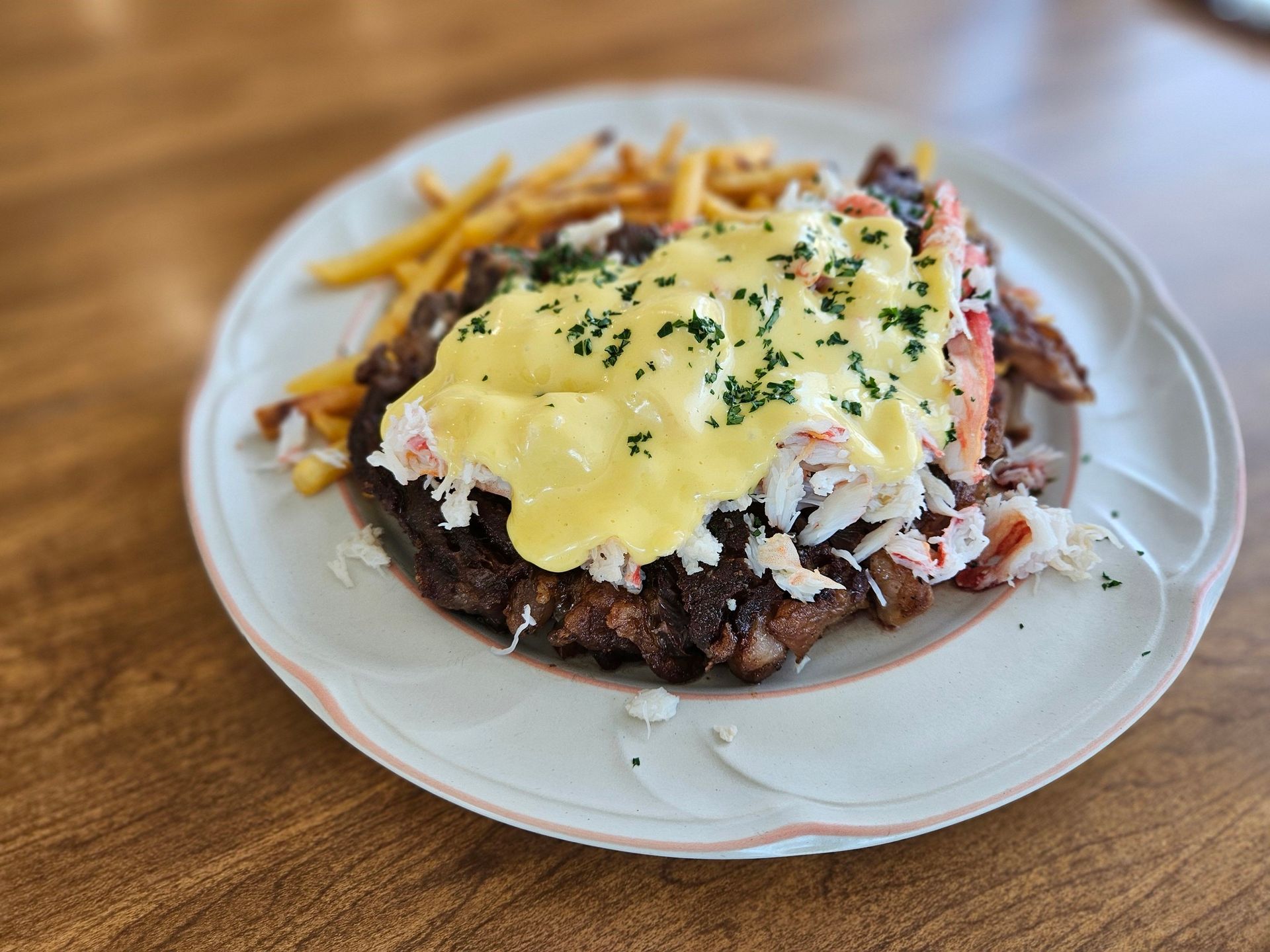
Why Cooking Methods Determine Entree Quality
Proper entree preparation requires understanding that different proteins cook at different rates depending on fat content, muscle structure, and thickness, then applying heat accordingly—searing develops flavor through Maillard reactions, slow roasting breaks down connective tissue in tougher cuts, and controlled finishing brings internal temperature to precise targets. The kitchen uses thermometers, not guesswork, to determine doneness, and rests meat after cooking so juices redistribute rather than spilling onto the cutting board. These steps separate tender, flavorful entrees from dry, uneven results that waste quality ingredients.
You notice meat that slices cleanly, releases steam when cut but not liquid, and tastes evenly seasoned throughout rather than bland inside with a salty exterior. Accompaniments arrive hot, with textures and flavors that complement the protein without competing for attention. The plate demonstrates that someone made deliberate choices about timing, temperature, and presentation rather than assembling components hastily during rush service.
Menu selections rotate with seasonal ingredient availability, bringing game meats, locally raised beef, and heritage pork into preparations that honor Montana's connection to land and livestock. The bistro's commitment includes sourcing from producers who prioritize animal welfare and sustainable practices, recognizing that quality begins before the kitchen receives the product.
Answers to Frequent Service Questions
Diners considering protein entrees often ask about preparation methods and sourcing practices before ordering.
What cooking techniques maximize tenderness in premium cuts?
Reverse searing involves slow-roasting meat to near-target temperature, then finishing with high heat to develop crust, resulting in even doneness edge-to-edge and maximum moisture retention. This method works especially well for thick steaks and chops where traditional searing creates overcooked outer layers before interiors reach temperature.
How does resting time after cooking affect the final result?
Resting allows muscle fibers to relax and reabsorb juices that were pushed toward the center during cooking, preventing liquid loss when meat is sliced. Skipping this step results in dry texture and pools of juice on the plate, wasting flavor and moisture.
What distinguishes Montana-sourced proteins from commodity options?
Locally raised livestock often receive grass-fed diets, humane handling, and slower growth rates that develop richer flavor and better marbling compared to feedlot animals rushed to market weight. Great Falls diners benefit from proximity to ranches that prioritize quality over volume.
How do seasonal accompaniments enhance protein entrees?
The restaurant pairs proteins with vegetables, starches, and sauces that match the season—root vegetables and hearty grains in winter, fresh greens and lighter preparations in summer. These pairings reflect ingredient availability and create balance across the plate.
What should diners expect when ordering entrees at different doneness levels?
Rare to medium-rare delivers maximum tenderness and flavor for quality cuts, medium suits those preferring less red color while maintaining moisture, and anything beyond medium-well sacrifices texture regardless of meat quality. The kitchen recommends temperatures based on cut characteristics but defers to guest preference.
River and Range Bistro approaches protein entrees with the understanding that technique, timing, and ingredient quality combine to create memorable meals. Book your visit to experience how Montana's culinary traditions meet refined preparation standards that respect every component on the plate.