Menus That Reflect Montana's Working Landscape
Locally Sourced Dining in Great Falls for guests who want authentic regional flavor rooted in seasonal availability
River and Range Bistro sources ingredients from regional producers and agricultural partners across Montana whenever possible, connecting each dish to the land and communities that define the state. Your meal reflects what's currently available from nearby farms, ranches, and purveyors rather than a static menu divorced from seasonality. This approach means ingredient availability directly shapes what appears on the menu, creating a dining experience tied to the rhythm of Montana's growing and harvest cycles.
Local sourcing prioritizes freshness and ingredient quality while supporting the network of growers, ranchers, and food artisans who supply the restaurant. When produce travels hours instead of days, you taste the difference in flavor intensity and texture. Seasonal availability also means menus shift throughout the year as different ingredients reach their peak, which keeps the culinary program dynamic and responsive to what Montana's agricultural community produces best at any given time.
Reserve a table to experience a menu shaped by Montana's current harvest and regional food traditions.
How Ingredient Proximity Changes What Appears on Your Plate
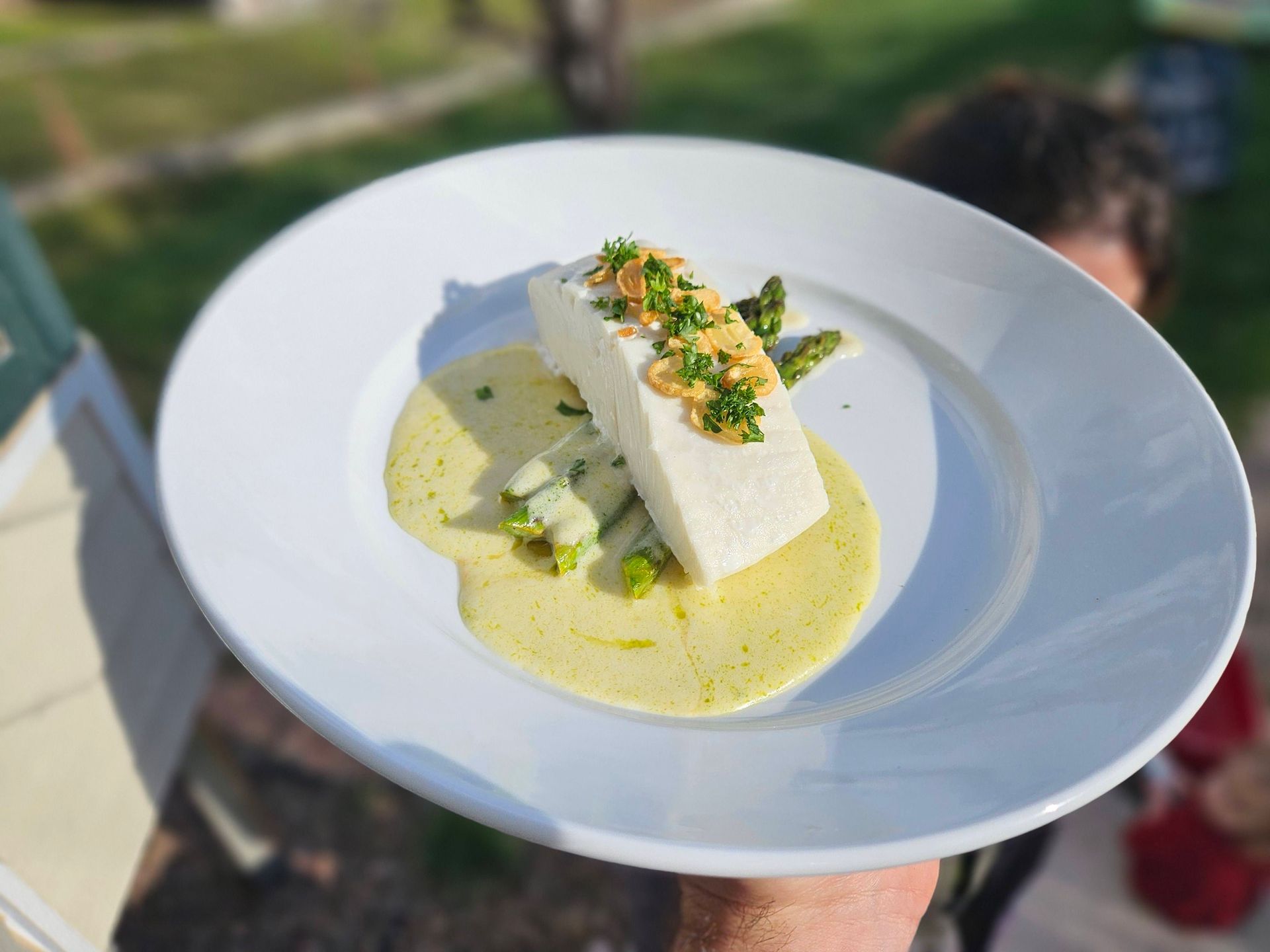
Sourcing locally means building relationships with specific farms and producers rather than relying on national distributors with standardized inventories. The chef works within the constraints of what's available regionally, which requires flexibility and creativity when designing dishes. You'll notice this in the way menu offerings change—not because of trends, but because a particular vegetable has come into season or a rancher has availability on a specific cut.
After your meal, you'll recognize flavors that taste distinctly of place rather than the homogenized profiles common in ingredients shipped cross-country. Vegetables retain more moisture and sweetness when harvested closer to serving time, and proteins from regional ranches carry the characteristics of Montana's grasslands and feed practices. The menu becomes a reflection of the state's agricultural diversity, with each season highlighting different producers and ingredients.
This sourcing philosophy doesn't mean every ingredient comes from within fifty miles—it means prioritizing regional partnerships where quality, seasonality, and availability align. Some staples still arrive from further away, but the core of each dish starts with what Montana's food community grows, raises, and produces. The result is a dining experience that feels rooted in the region rather than generic.
What Guests Want to Know About Local Sourcing
Diners often ask how sourcing decisions affect their experience and what to expect when menus change with the seasons.
What does local sourcing mean for menu consistency?
Menu items shift as ingredient availability changes, so you may see different offerings on return visits depending on the season. This variability reflects the restaurant's commitment to using ingredients at their peak rather than maintaining a static year-round menu.
How does seasonality affect what's available in Great Falls?
Montana's growing season runs roughly late spring through early fall, with root vegetables and cold-hardy greens extending into autumn. Winter menus rely more on preserved ingredients, storage crops, and proteins from regional ranchers who supply year-round.
Why does local sourcing matter for flavor?
Shorter transport times mean vegetables retain more moisture and nutrients, and proteins don't undergo the stress of long-distance shipping. You'll notice brighter flavors and better texture in ingredients that move from farm to kitchen within hours or days instead of weeks.
What types of producers supply the restaurant?
The restaurant partners with vegetable growers, ranchers raising grass-fed beef and lamb, small-scale grain producers, and artisan food makers across Montana. These relationships allow the chef to source ingredients that reflect the region's agricultural strengths.
How can I learn which farms contributed to my meal?
Ask your server about current sourcing—many dishes feature specific ingredients from named producers, and the team can explain where particular items originated. This transparency connects your dining experience directly to Montana's food community.
River and Range Bistro builds each menu around what Montana's producers supply best in the current season. Contact the restaurant to make a reservation and taste the difference regional sourcing creates.