
Desserts That Justify Skipping Dinner Elsewhere
House-Made Desserts in Great Falls for diners who treat the final course as essential
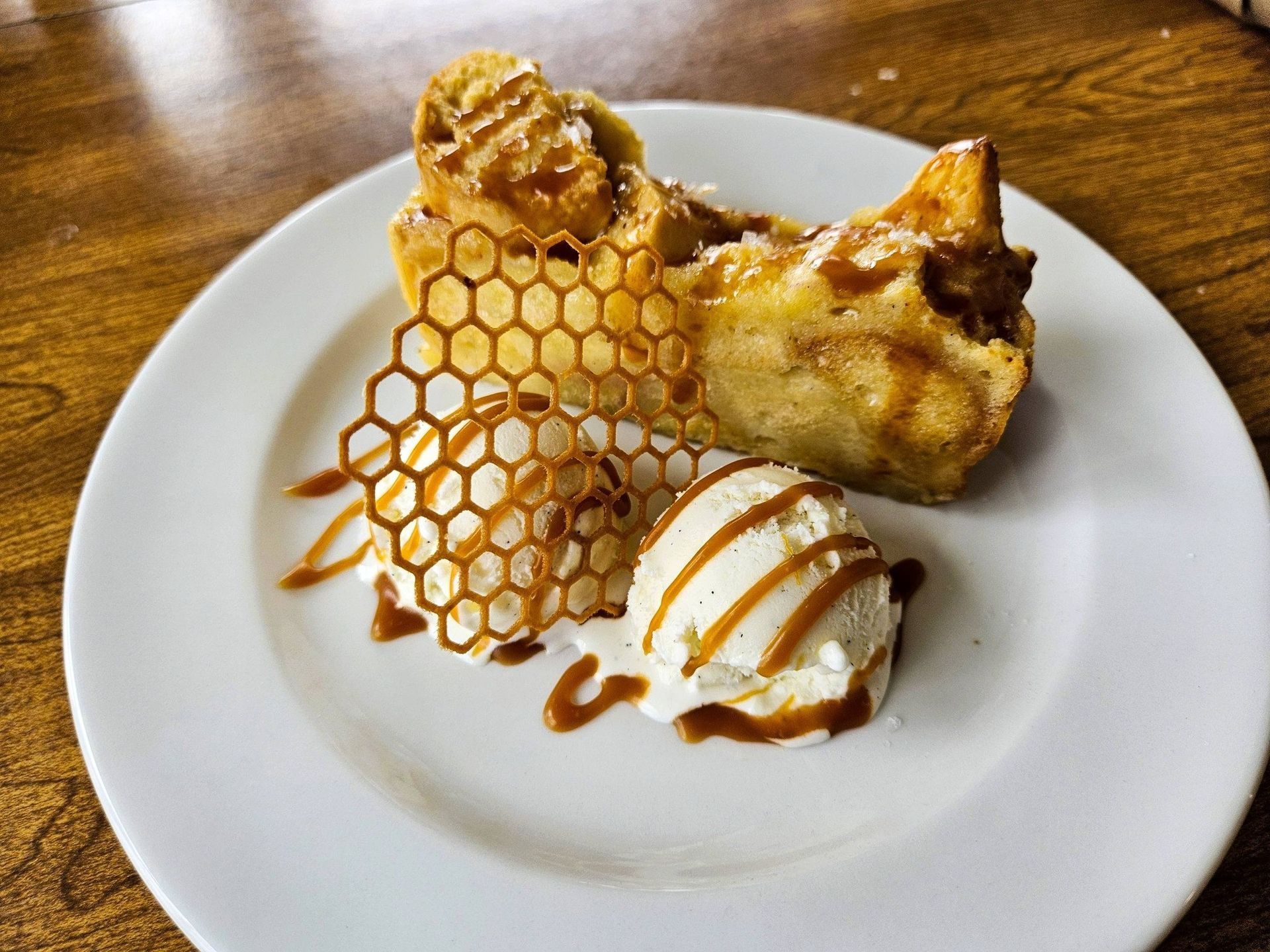
Dessert completion transforms a good meal into a complete dining experience—the shift from savory to sweet provides closure, allows flavors to reset, and offers a final impression that lingers after guests leave the table. River and Range Bistro prepares desserts from scratch daily, using fresh ingredients and recipes that require technique beyond assembling pre-made components, serving Great Falls diners who recognize when pastry work, custard consistency, and flavor balance reflect genuine craftsmanship. The kitchen treats desserts with the same attention to detail applied to entrees, measuring ingredient ratios precisely, controlling temperatures during baking, and plating presentations that look deliberate rather than hurried.
Each dessert involves multiple preparation stages—mixing batters to correct consistency, baking at precise temperatures to develop texture without drying, creating sauces that complement rather than overpower, and assembling elements just before service to maintain structural integrity. Seasonal specialties rotate based on ingredient availability, introducing flavors tied to harvest cycles and encouraging repeat visits to discover new offerings. The bistro's commitment to quality extends through the entire menu, ensuring the final course maintains the standards set by earlier plates.
Plan to save room during your visit to experience how scratch preparation elevates dessert beyond an afterthought.
What House-Made Desserts Actually Accomplish
Dessert preparation from scratch involves techniques such as tempering chocolate to achieve smooth texture, whipping cream to stable peaks without separation, baking custards in water baths to prevent curdling, and controlling sugar caramelization to develop flavor without bitterness. These processes require timing and temperature precision that pre-made alternatives bypass through stabilizers and preservatives. The restaurant applies these methods to create desserts where each component contributes distinct texture and flavor rather than blending into uniform sweetness.
You notice layers that remain distinct rather than collapsing into mush, flavors that develop complexity through spice, acidity, or bitterness balancing sweetness, and textures that contrast creamy with crunchy or smooth with airy. The dessert tastes cohesive but not monotonous, with each bite revealing something beyond sugar and fat. Presentation shows attention to detail—sauces applied with intention, garnishes placed purposefully, temperatures controlled so frozen elements stay cold and warm components arrive heated.
Rotating selections mean the dessert menu changes more frequently than other courses, reflecting seasonal ingredients such as fresh berries in summer, stone fruits in late season, and warming spices during colder months. This approach keeps offerings dynamic and rewards guests who return to explore what the kitchen currently features.
What Guests Want to Know
Great Falls diners often inquire about dessert preparation methods and ingredient sourcing before deciding whether to order the final course.
What makes house-made desserts different from purchased options?
Scratch preparation allows control over ingredient quality, sugar levels, and flavor intensity, resulting in desserts that taste distinct rather than generically sweet. The kitchen adjusts recipes based on seasonal ingredients and can accommodate dietary preferences without relying on industrial substitutes.
How does the restaurant decide which desserts to feature seasonally?
Seasonal fruit availability drives many selections—fresh berries inspire lighter preparations in summer, while apples and pears suit richer treatments in fall. Montana's shorter growing season means the kitchen maximizes local produce when available and shifts to pantry-stable ingredients during winter months.
What techniques ensure desserts maintain proper texture and temperature during service?
Components are prepared in stages and assembled to order when possible, preventing sogginess in pastry layers and maintaining temperature contrast between hot and cold elements. Some desserts require advance notice to prepare properly, which service staff communicate when taking orders.
How do dessert portions balance indulgence with completing the meal?
The kitchen sizes desserts to provide satisfying sweetness without overwhelming diners already full from earlier courses. Portions reflect richness—denser, more decadent options come in smaller servings, while lighter preparations allow for slightly larger plating.
What should guests do if dietary restrictions affect dessert choices?
The restaurant accommodates common restrictions such as gluten-free and dairy-free requests when possible, though scratch preparation means some substitutions require advance notice to source appropriate ingredients. Service staff discuss available options and can often suggest modifications to existing menu items.
River and Range Bistro completes the dining experience with desserts that demonstrate the same ingredient quality and technical precision applied throughout the meal. Reserve your table and leave room for the final course that ties everything together through craftsmanship and creativity.