
Pasta Worth the Extra Preparation Time
Fresh Made Pasta in Great Falls for diners who recognize the difference proper texture makes
House-made pasta delivers a texture and flavor density that dried, mass-produced alternatives cannot replicate—the dough absorbs sauces differently, cooks to a tender bite without mushiness, and carries flavors that come from eggs, flour type, and hydration levels controlled during mixing. River and Range Bistro prepares pasta from scratch daily, serving Great Falls diners who notice when cooking methods elevate a familiar dish into something worth ordering specifically. The kitchen's approach treats pasta as a craft requiring technique, timing, and attention to ingredient ratios, not a commodity pulled from a box.
Fresh pasta preparation involves mixing dough to the correct consistency, resting it to develop gluten structure, rolling to precise thickness, and cutting shapes that pair functionally with specific sauces. The restaurant combines these handcrafted pastas with seasonal sauces, premium ingredients, and chef-driven flavor combinations that shift with ingredient availability. Montana's culinary focus on quality sourcing extends to flour selection, egg freshness, and accompaniments that complement rather than overpower the pasta itself.
Explore current pasta selections to taste how scratch preparation changes the foundation of the dish.
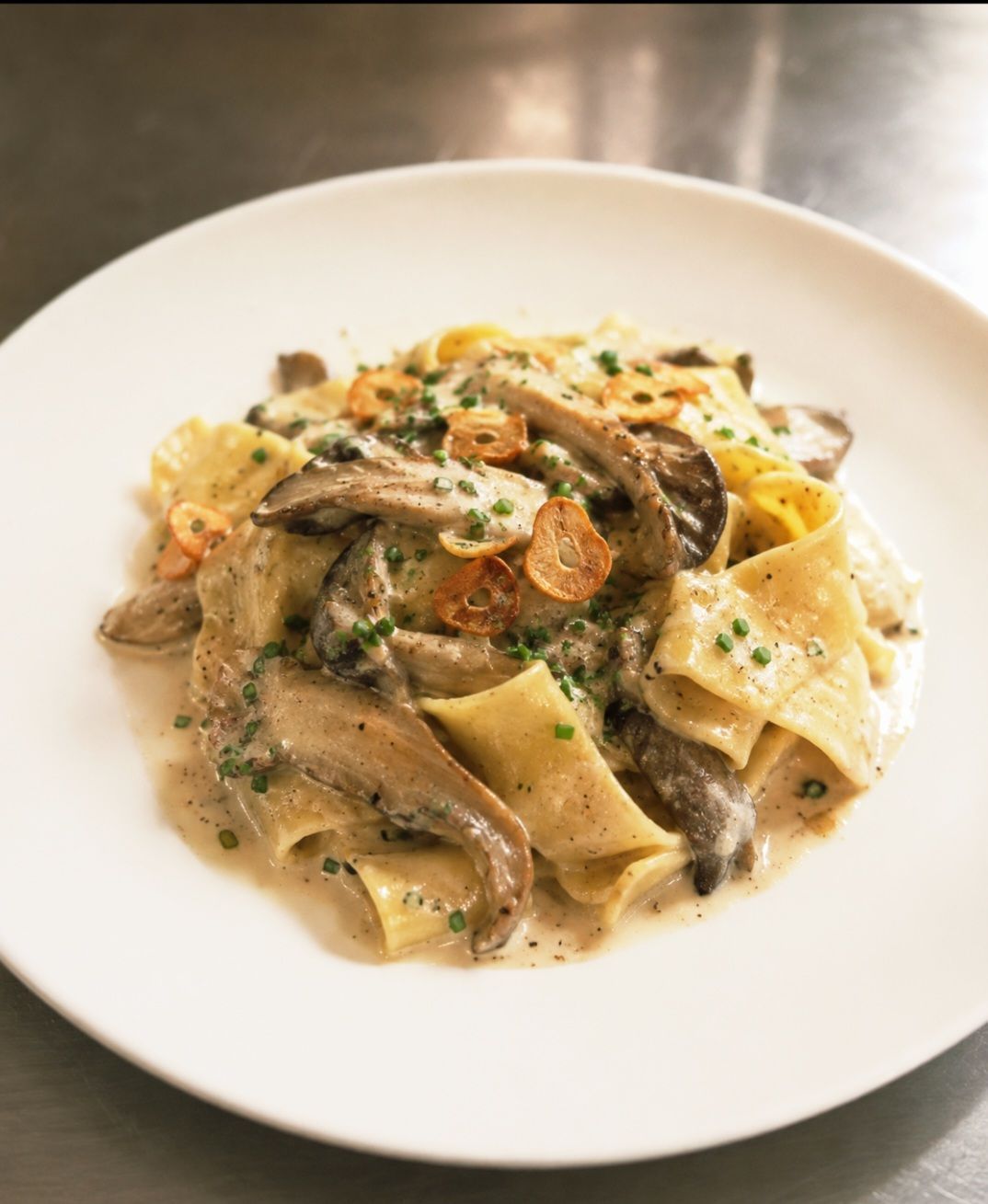
How Fresh Pasta Preparation Affects the Final Dish
The process begins with combining flour and eggs in ratios that determine dough elasticity and final texture, then kneading until gluten develops enough structure to hold shape during cooking without becoming rubbery. Resting periods allow the dough to relax, making it easier to roll thin and ensuring even cooking. The kitchen cuts pasta into shapes chosen for how they capture sauce—wider ribbons for heavier preparations, delicate strands for lighter treatments, filled forms for concentrated flavors sealed inside.
After cooking, you notice pasta that clings to sauce rather than sitting beneath it, texture that offers resistance without chewiness, and flavor that contributes to the dish rather than serving as neutral filler. Fresh pasta absorbs seasoning and incorporates with other ingredients in ways that dried versions cannot achieve. The difference shows in how each bite tastes cohesive rather than assembled.
Seasonal menu development means sauce pairings and ingredient combinations change based on availability, encouraging guests to return for offerings that reflect current harvest cycles. The restaurant's commitment extends beyond pasta itself to include housemade stocks, fresh herbs, and carefully sourced proteins that complete each preparation.
Common Questions About This Service
Diners frequently ask how fresh pasta differs functionally from dried options and what influences seasonal selections before ordering.
What makes fresh pasta different from dried pasta in terms of cooking and flavor?
Fresh pasta contains higher moisture content and more eggs, resulting in a tender texture that cooks in two to three minutes and absorbs sauces more readily than dried pasta, which requires longer boiling and has a firmer bite. You taste the eggs and flour directly, making ingredient quality immediately noticeable.
How does the restaurant decide which pasta shapes to prepare?
Shape selection depends on sauce viscosity and ingredient size—wider ribbons like pappardelle pair with chunky, slow-cooked sauces, while thin strands complement oil-based or lighter preparations. The kitchen matches form to function so each component works together structurally.
What seasonal ingredients influence pasta offerings in Great Falls?
Montana's shorter growing season means summer brings fresh tomatoes, herbs, and vegetables that inspire lighter sauces, while fall and winter shift toward root vegetables, game meats, and richer preparations. The menu reflects what's currently available rather than forcing out-of-season ingredients.
How long does house-made pasta last, and is it prepared daily?
Fresh pasta degrades quickly once made, losing texture and moisture within a day, so the kitchen prepares batches daily based on expected service volume. This ensures every order receives pasta at peak quality rather than aged product held for convenience.
What cooking techniques preserve fresh pasta's texture during service?
The pasta cooks in heavily salted boiling water for a brief period, then finishes directly in the sauce pan where it absorbs flavors while the starch helps bind the sauce to the noodles. Timing is critical—overcooking by even a minute turns tender pasta mushy and flavorless.
River and Range Bistro treats pasta preparation as a technique-driven craft that requires daily attention and ingredient-level precision. Visit to experience how scratch-made pasta and seasonal pairings create dishes that justify the extra effort involved.